
Automated Tenant Billing & NOI Protection in Modern Real Estate
For multi-tenant real estate assets, utility cost recovery has historically been complex, time-consuming, and often inaccurate.
Introduction
For multi-tenant real estate assets, utility cost recovery has historically been complex, time-consuming, and often inaccurate. Manual meter readings, estimated allocations, and spreadsheet-driven billing processes create operational inefficiencies while introducing financial risk.
As energy costs continue to rise and sustainability expectations increase, asset owners and property managers are under growing pressure to improve transparency, accuracy, and efficiency in tenant energy billing.
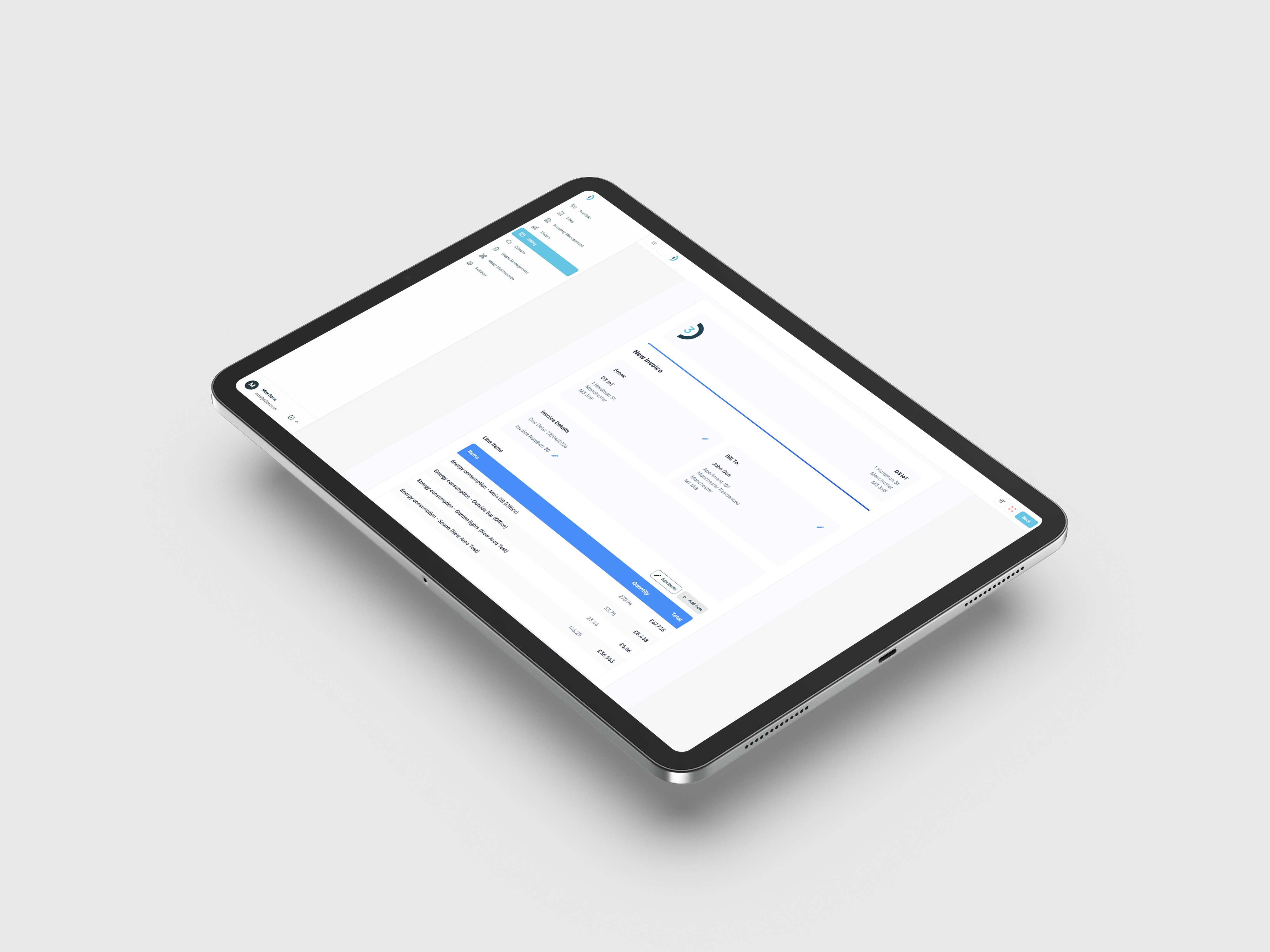
Automated tenant billing, enabled by MID-compliant (AMR) sub-metering and smart energy monitoring, is becoming a critical component of modern real estate operations; protecting Net Operating Income (NOI) while improving tenant trust and operational performance.
The Challenge with Traditional Tenant Billing
Many multi-tenanted buildings still rely on outdated approaches such as:
Manual meter readings
Estimated consumption splits
Floor area apportionment
Periodic reconciliations
Spreadsheet-based calculations
These methods introduce several risks:
Revenue Leakage
Estimated billing often under-recovers energy costs, directly impacting NOI.
Administrative Burden
Manual data collection and billing processes consume significant property management resource.
Billing Delays
Quarterly or annual reconciliations reduce cash flow and create large tenant adjustments.
Tenant Disputes
Lack of transparency increases the likelihood of billing challenges.
Limited Visibility
Asset managers struggle to understand true tenant consumption.
Together, these issues create both operational inefficiencies and financial exposure.
The Shift Toward Automated Tenant Billing
Automated tenant billing replaces manual processes with:
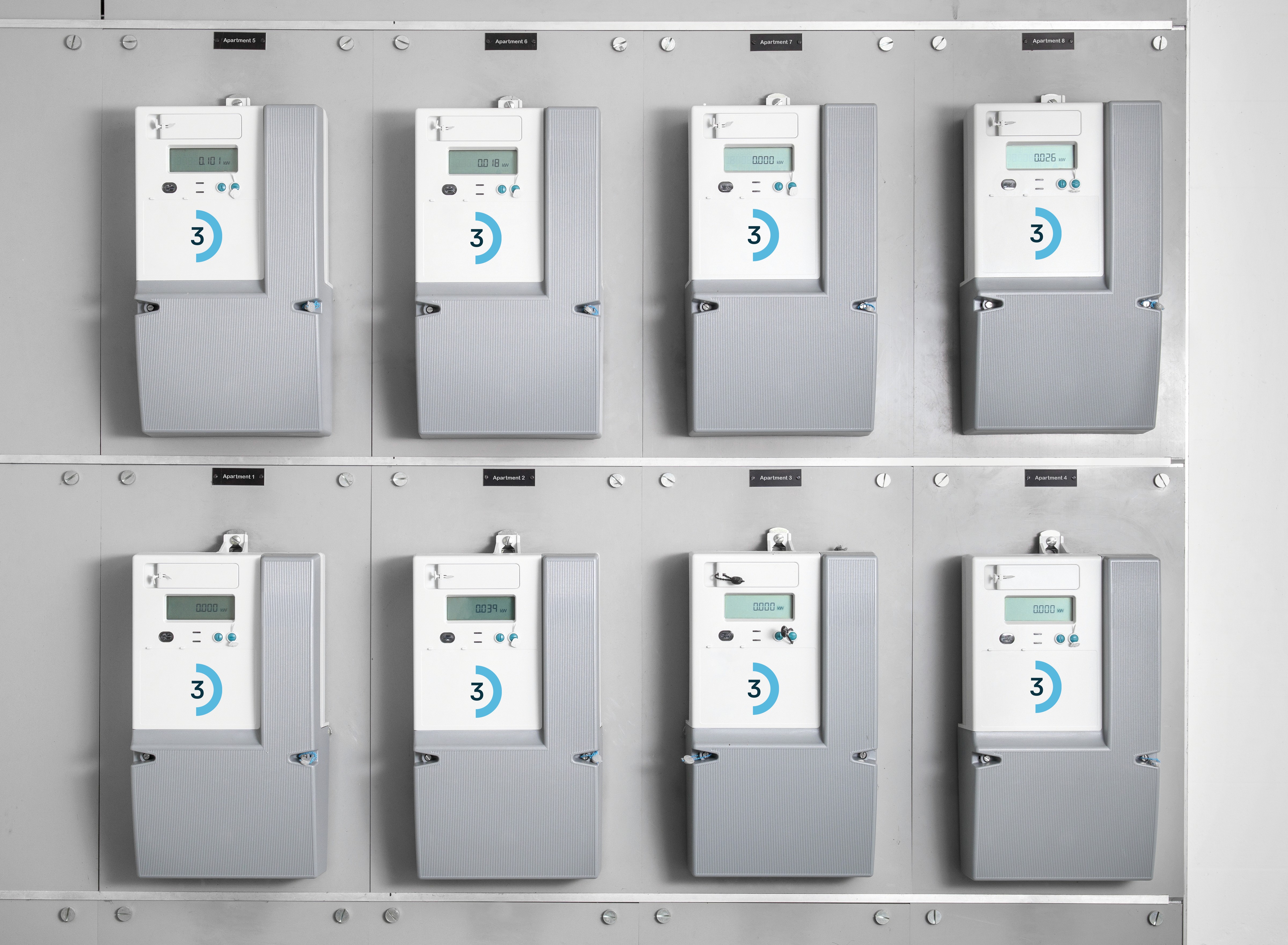
MID-compliant sub-metering
Automated data capture
Continuous consumption monitoring
Automated billing calculations
Transparent tenant-level reporting
This creates a more accurate, efficient, and scalable billing model for multi-tenant buildings.
Instead of estimating energy usage, landlords and managing agents can allocate costs based on measured, auditable consumption data.
Protecting Net Operating Income (NOI)
Accurate tenant billing directly supports NOI protection by ensuring energy costs are fully recovered.
Automated billing helps:
Eliminate under-recovery of utilities
Reduce unbilled consumption
Improve cost allocation accuracy
Increase transparency for occupiers
Minimise financial leakage
For portfolios with large numbers of tenants, even small inaccuracies can accumulate into significant annual losses.
Automated billing ensures costs are allocated fairly and consistently across all occupiers.
Improving Cash Flow and Billing Efficiency
Traditional utility billing often involves delayed reconciliation cycles. Automated tenant billing enables:
Monthly or periodic automated billing
Reduced manual input
Faster invoice generation
Improved cost recovery timing
Streamlined financial workflows
This improves both operational efficiency and cash flow predictability.
Property management teams can move away from reactive billing processes toward automated, repeatable workflows.
Enhancing Tenant Transparency and Trust
Transparency is increasingly important for occupiers, particularly as sustainability awareness grows.
Automated tenant billing enables:
Tenant-level consumption visibility
Clear cost breakdowns
Measured rather than estimated billing
Alignment with sustainability initiatives
Fair usage policies
This reduces disputes while encouraging tenants to better manage their own energy consumption.
In many cases, visibility alone can drive behavioural change and reduce overall building energy use.
Supporting Multi-Tenant ESG Reporting
Tenant-level energy data also supports ESG and sustainability reporting by enabling:
Accurate Scope 2 energy data
Occupier-level consumption tracking
Portfolio-wide energy visibility
Measurable efficiency improvements
Transparent sustainability metrics
This is particularly valuable for:
Build-to-Rent portfolios
Multi-let offices
Logistics parks
Co-living and PBSA
Retail schemes
Automated billing infrastructure therefore delivers both financial and ESG benefits.
Reducing Operational Complexity
For property managers, automated tenant billing significantly reduces administrative workload.
Instead of:
Manual readings
Spreadsheet calculations
Data reconciliation
Dispute handling
The process becomes:
Automated data capture
Automated cost allocation
Automated billing outputs
Centralised reporting
This frees property management teams to focus on asset performance rather than utility administration.
Future-Proofing Multi-Tenant Assets
As energy costs, ESG expectations, and regulatory requirements evolve, buildings without tenant-level metering and billing infrastructure risk falling behind.
Automated tenant billing helps future-proof assets by:
Enabling scalable portfolio management
Supporting ESG reporting frameworks
Improving operational efficiency
Protecting NOI
Increasing transparency for investors
It transforms utility cost recovery from an administrative burden into a strategic capability.
Conclusion
Automated tenant billing is no longer just a convenience, it is becoming essential infrastructure for modern multi-tenant real estate.
By combining MID-compliant sub-metering with automated data capture and billing workflows, asset owners can:
Protect NOI
Improve operational efficiency
Increase tenant transparency
Support ESG reporting
Reduce administrative overhead
As portfolios scale and expectations increase, measured and automated tenant billing will play an increasingly central role in data-driven real estate management.
Looking to improve tenant billing accuracy and protect NOI across your portfolio?
Get in touch with D3 to explore automated tenant billing, MID-compliant sub-metering, and real-time energy monitoring solutions.
Recent posts



Take the first step toward smarter property portfolios
Discover how D3 Cloud™ helps property teams optimise energy performance, automate billing, and improve operational efficiency.

