
Why Smart Metering Matters for Modern Real Estate
In today’s real estate landscape, access to accurate, reliable energy data is no longer a “nice to have”, it’s becoming a critical requirement for operational efficiency, ESG reporting, and financial performance.
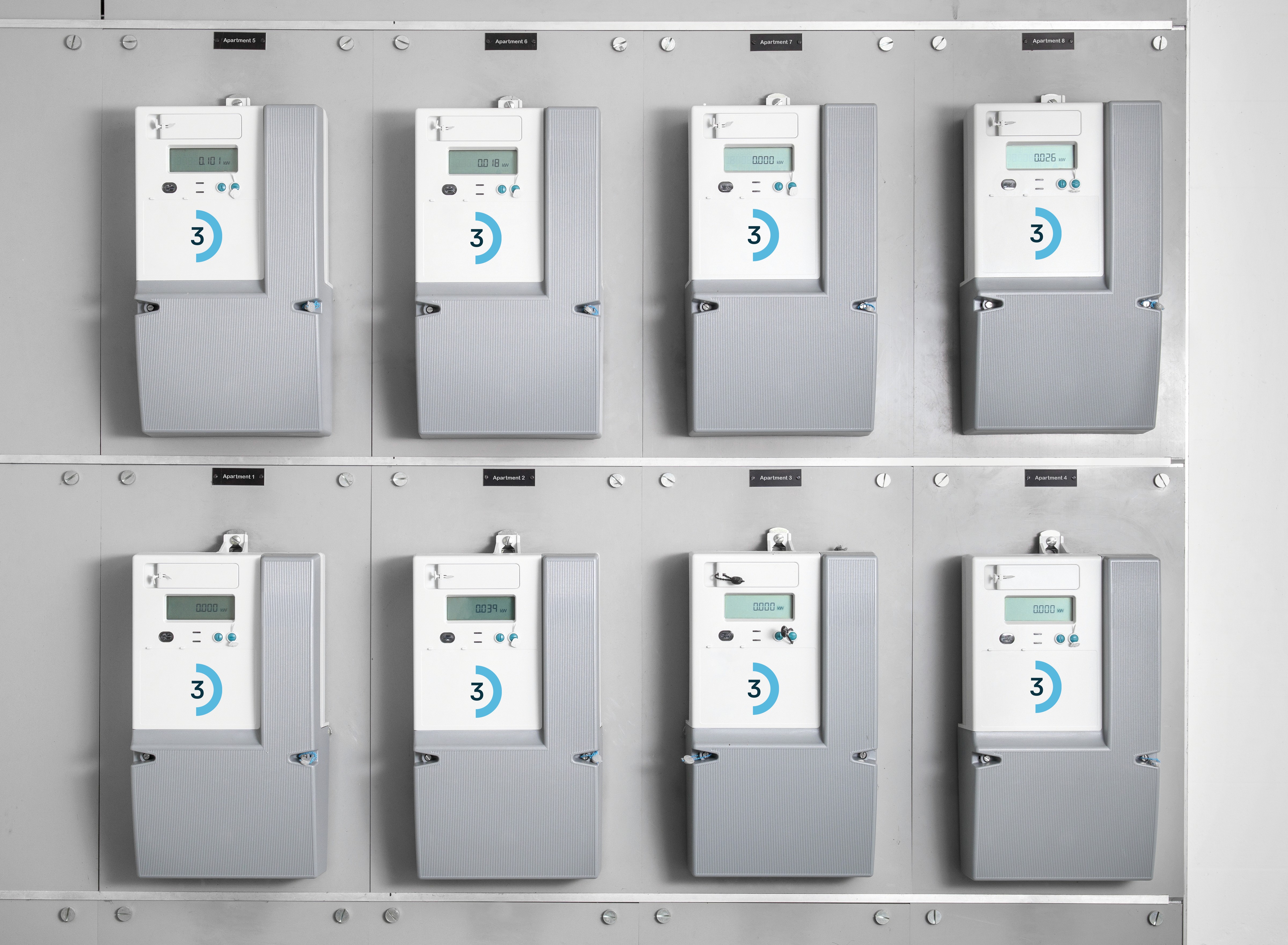
Yet many buildings still rely on estimated consumption, manual meter readings, or incomplete data. This lack of visibility creates inefficiencies, increases operational risk, and limits the ability to optimise performance across portfolios.
Smart metering changes this.
The Data Gap in Real Estate
Modern buildings generate vast amounts of operational data, but without the right infrastructure, much of this information remains inaccessible. Property managers often rely on:
Manual meter readings
Estimated tenant billing
Fragmented utility data
Spreadsheet-based reporting
Limited portfolio visibility
This makes it difficult to understand how energy is consumed, recover costs accurately, or support sustainability initiatives.
Smart metering provides the foundation for solving these challenges.
Accurate Tenant Billing and Cost Recovery
For multi-tenant buildings, accurate sub-metering is essential. Without reliable meter data, utility costs are often estimated or apportioned, which can lead to disputes, inaccuracies, and unrecovered costs.
Smart metering enables:
Accurate tenant utility billing
Transparent consumption data
Reduced disputes
Improved cost recovery
Increased Net Operating Income
For many property owners, this alone justifies the investment.
Real-Time Energy Visibility
Smart metering provides granular, real-time insight into how buildings consume energy. This visibility allows property teams to:
Identify abnormal consumption
Detect equipment inefficiencies
Compare performance across assets
Monitor usage trends
Support operational decision-making
Instead of reacting to high utility bills after the fact, teams can proactively manage building performance.
Supporting ESG and Sustainability Reporting
Institutional investors and occupiers increasingly expect transparency around energy consumption and sustainability performance. However, many portfolios lack the reliable data required to support ESG reporting frameworks.
Smart metering provides:
Investment-grade energy data
Portfolio-level reporting
Emissions tracking
ESG-ready insights
Support for GRESB and BREEAM
This enables asset managers to make informed sustainability decisions backed by real data.
Enabling Automation and Efficiency
Smart metering also unlocks automation. Once accurate data is captured, processes that were previously manual can be streamlined, including:
Tenant billing
Performance reporting
Energy monitoring
Portfolio dashboards
Alerting and anomaly detection
This reduces administrative workload while improving accuracy.
A Foundation for Smarter Buildings
Smart metering is often the first step toward creating intelligent, data-driven buildings. It provides the foundation for:
Energy optimisation
Building performance analytics
Automated billing
ESG reporting
Portfolio-level insights
Integration with building systems
Without accurate meter data, these capabilities are difficult to achieve.
The Bottom Line
For modern real estate portfolios, smart metering is no longer just about monitoring energy. It’s about unlocking better operational control, improving financial performance, and supporting sustainability goals.
By capturing accurate, real-time energy data, property owners and operators can make smarter decisions, reduce costs, and improve asset performance across their portfolio.
Interested in learning more?
Discover how D3 helps property owners deploy smart metering infrastructure and unlock intelligent energy insights across their buildings.
Recent posts
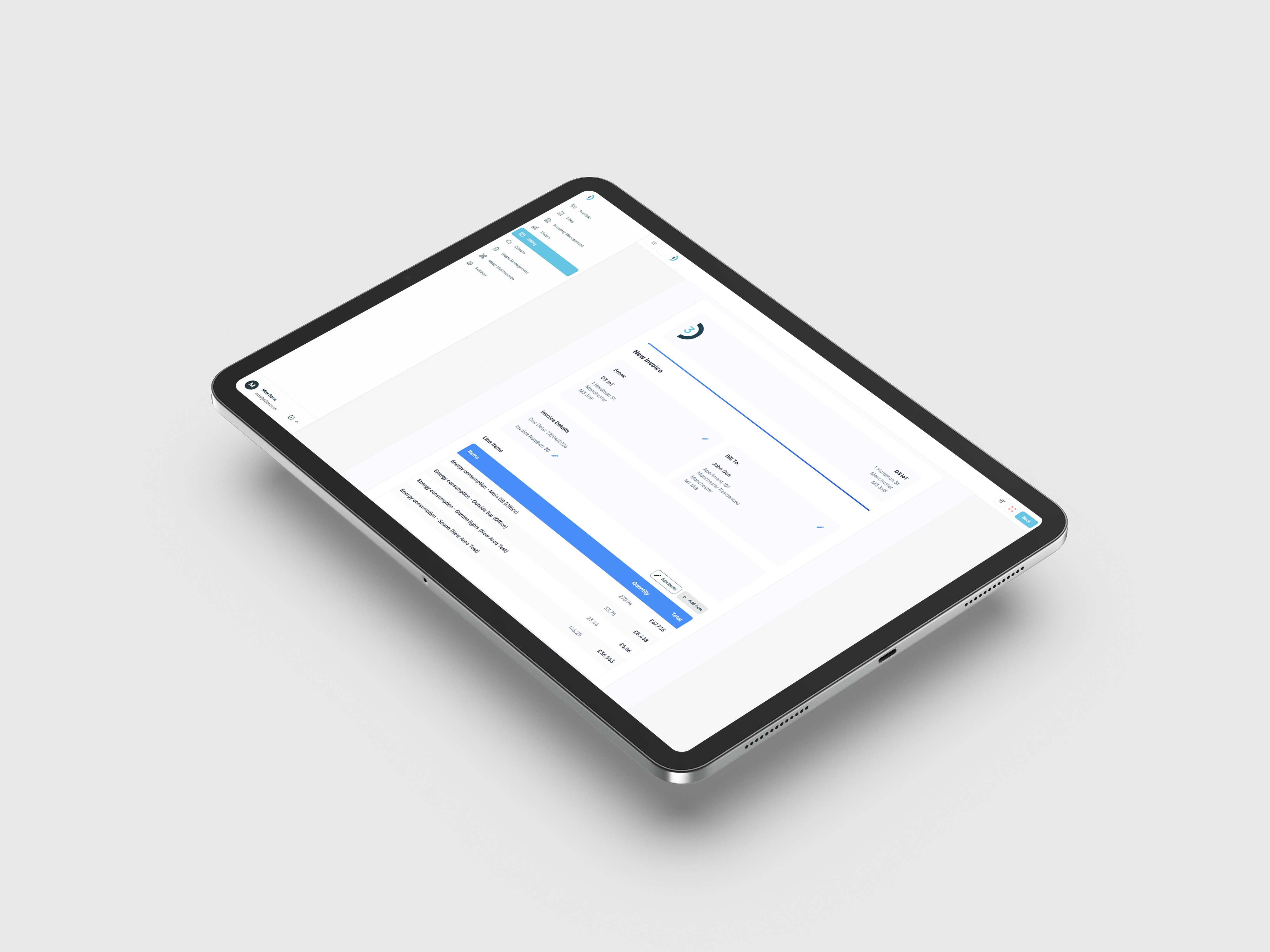



Take the first step toward smarter property portfolios
Discover how D3 Cloud™ helps property teams optimise energy performance, automate billing, and improve operational efficiency.

