
ESG, Regulation & Real Estate: Why Investment-Grade Energy Data Is Now Essential
Environmental, Social and Governance (ESG) requirements are no longer aspirational targets for real estate; they are becoming operational and regulatory obligations.

Introduction
Environmental, Social and Governance (ESG) requirements are no longer aspirational targets for real estate; they are becoming operational and regulatory obligations.
Frameworks such as SFDR, GRESB, and BREEAM In-Use are shifting expectations across the market, requiring asset owners and managers to demonstrate measurable performance rather than estimated outcomes.
At the centre of this shift sits one critical requirement: reliable, investment-grade energy data.
Without accurate and continuous data capture, ESG reporting becomes fragmented, operational improvements are difficult to evidence, and sustainability strategies lose credibility.
Modern real estate portfolios now require a data-driven approach to energy and environmental performance.
The Shift from Reporting to Performance
Historically, ESG reporting in real estate relied heavily on:
Utility invoices
Manual meter readings
Estimated consumption
Annual data collection exercises
This approach created:
Data gaps
Limited granularity
Inconsistent reporting
Reduced audit confidence
Today, regulators and investors expect continuous, verifiable performance data.
This represents a fundamental shift:
From annual reporting → continuous monitoring
From estimates → measured performance
From spreadsheets → automated data infrastructure
From compliance → operational optimisation
This evolution is driving the adoption of smart metering and automated data platforms across institutional real estate.
SFDR and the Demand for Evidence-Based Reporting
The Sustainable Finance Disclosure Regulation (SFDR) has raised expectations around transparency and sustainability performance.
For Article 8 and Article 9 funds in particular, asset managers must demonstrate:
Energy performance improvements
Carbon reduction strategies
Measurable sustainability metrics
Portfolio-level transparency
This is difficult to achieve without:
Asset-level energy data
Tenant-level consumption insight
Continuous monitoring
Standardised data capture
Smart metering and automated energy monitoring provide the foundation for this evidence-based approach.
By capturing half-hourly, asset-level energy data, real estate owners can move from estimated ESG reporting to auditable, investment-grade datasets.
Improving GRESB Performance Through Data Infrastructure
GRESB continues to play a central role in benchmarking real estate sustainability performance.
Higher GRESB scores rely on:
Measured energy consumption
Consistent data coverage
Portfolio-wide benchmarking
Demonstrable improvement over time
Manual data collection often results in:
Partial coverage
Missing data
Delayed reporting
Reduced scoring opportunities
Automated energy monitoring addresses this by enabling:
Continuous data capture
Standardised reporting
Improved data confidence
Measurable operational improvements
As a result, many asset owners are now investing in smart metering infrastructure specifically to support GRESB performance.
BREEAM In-Use and Continuous Operational Monitoring
BREEAM In-Use focuses on the operational performance of buildings rather than design intent.
To maintain and improve ratings, buildings must demonstrate:
Measured energy performance
Ongoing operational monitoring
Evidence of improvement initiatives
Data-backed sustainability strategies
This requires:
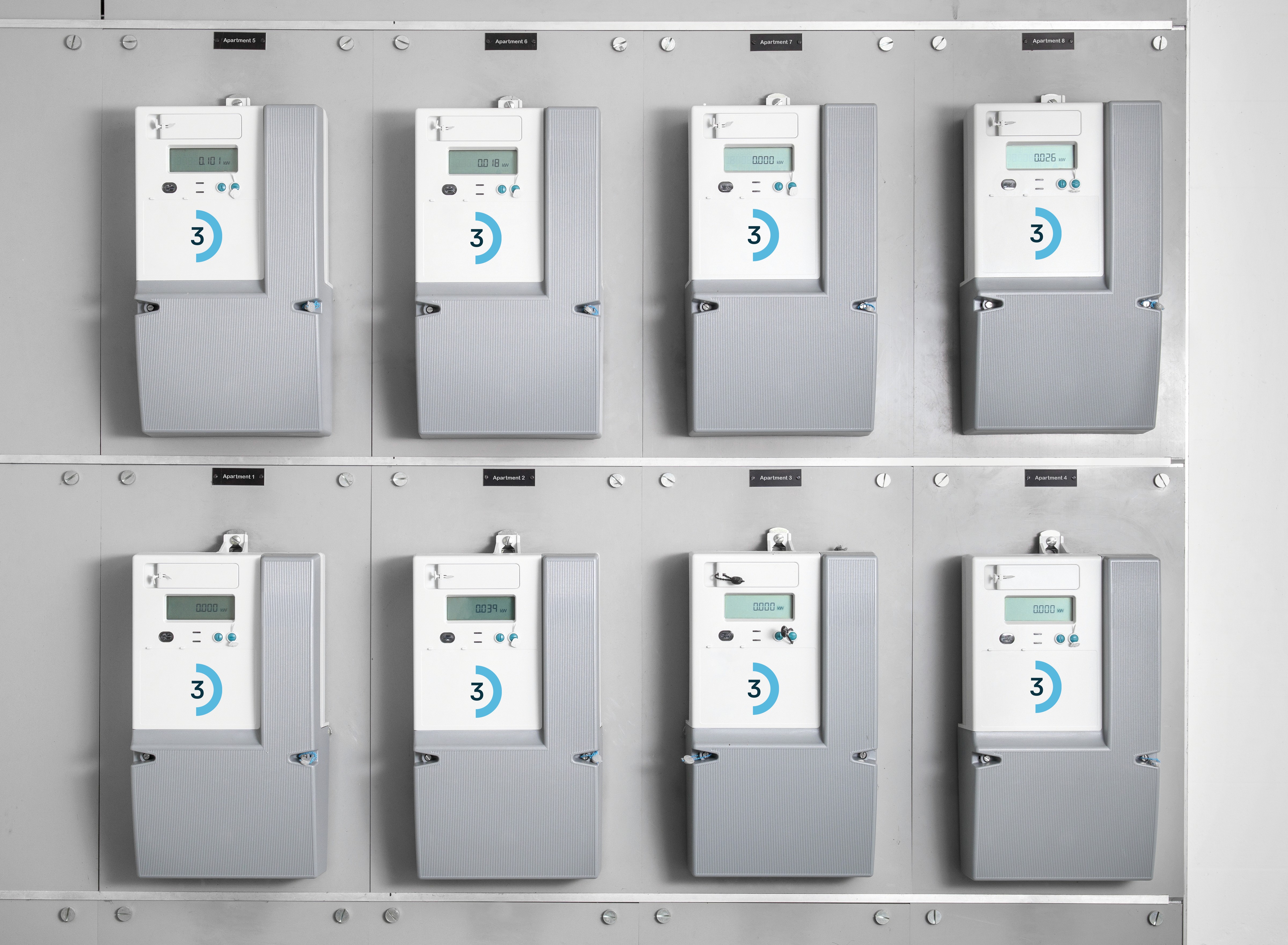
Granular sub-metering
Automated data capture
Performance dashboards
Historical trend analysis
Smart metering enables buildings to transition from periodic assessments to continuous performance management.
This not only supports BREEAM certification but also drives genuine operational efficiency.
ESG Data Challenges in Multi-Tenant Buildings
Multi-tenanted commercial buildings present additional complexity for ESG reporting.
Challenges include:
Shared utility supplies
Limited tenant visibility
Incomplete data coverage
Manual tenant billing
Lack of accountability
Sub-metering with automated data collection solves this by enabling:
Tenant-level energy visibility
Accurate consumption allocation
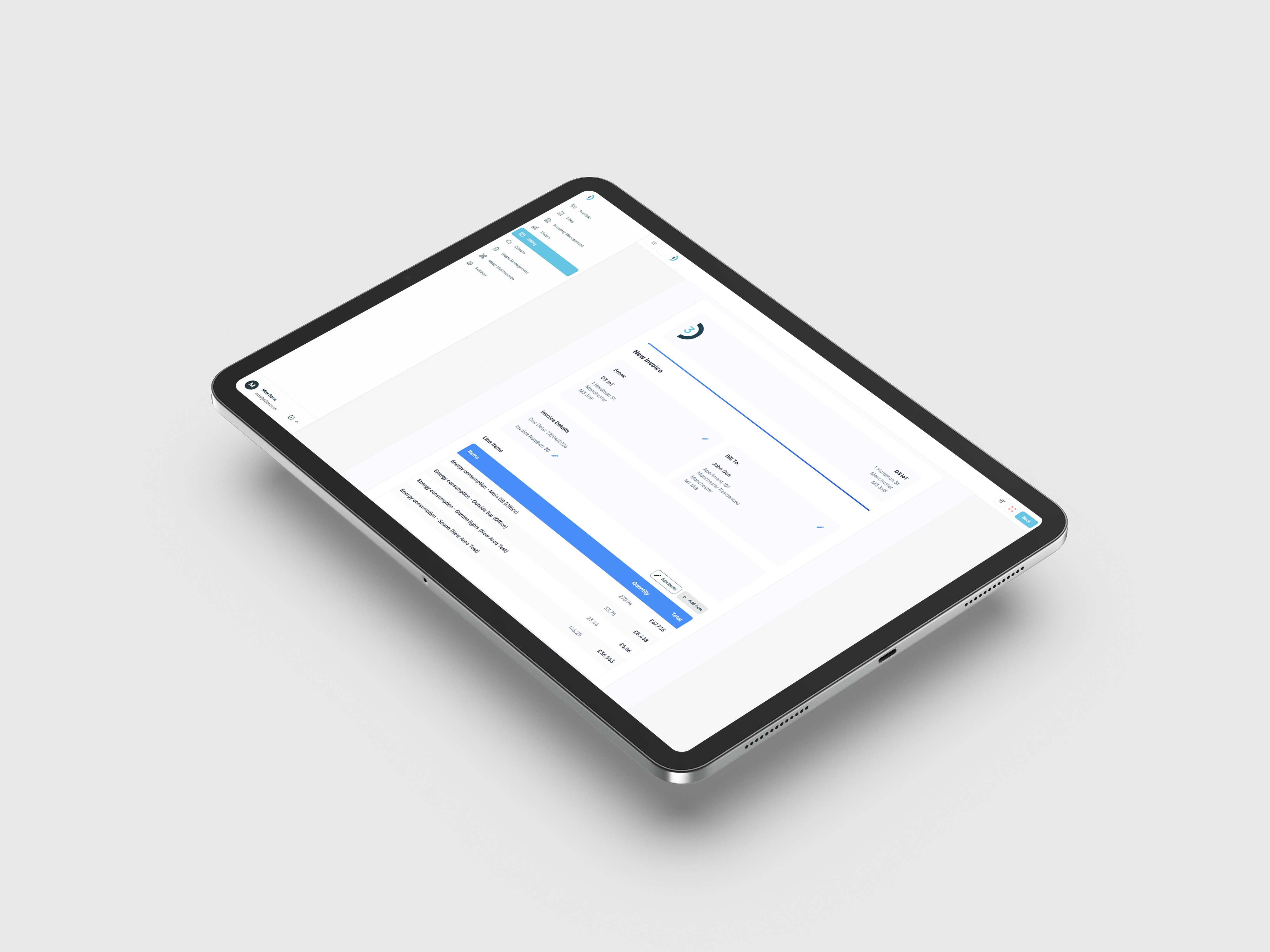
Automated tenant billing
Improved ESG transparency
Fair usage policy implementation
This improves both operational efficiency and sustainability performance.
From Data Collection to Data-Driven Decisions
Modern ESG strategies require more than data collection. They require actionable insight.
With automated energy monitoring, asset teams can:
Identify inefficient plant
Detect abnormal consumption
Benchmark assets
Reduce energy waste
Improve carbon performance
This transforms ESG from a reporting exercise into an operational discipline.
The Role of Smart Metering in Future-Proofing Assets
As regulation continues to evolve, data infrastructure will become increasingly important.
Smart metering helps future-proof assets by:
Providing continuous ESG data
Supporting regulatory reporting
Enabling automated tenant billing
Improving operational efficiency
Increasing transparency for investors
Buildings without this infrastructure risk falling behind both operationally and from a sustainability perspective.
Conclusion
ESG in real estate is moving rapidly from narrative to measurable performance.
Frameworks such as SFDR, GRESB, and BREEAM In-Use require reliable, continuous, and auditable energy data.
Smart metering and automated energy monitoring provide the foundation for this new approach, enabling asset owners to improve sustainability performance, streamline reporting, and make data-driven operational decisions.
As expectations continue to rise, investment-grade energy data is no longer optional.
It is becoming essential infrastructure for modern real estate.
Want to understand how ESG-ready energy data could support your portfolio?
Get in touch with D3 to discuss smart metering, automated ESG reporting, and real-time energy performance monitoring.
Recent posts


Take the first step toward smarter property portfolios
Discover how D3 Cloud™ helps property teams optimise energy performance, automate billing, and improve operational efficiency.

